
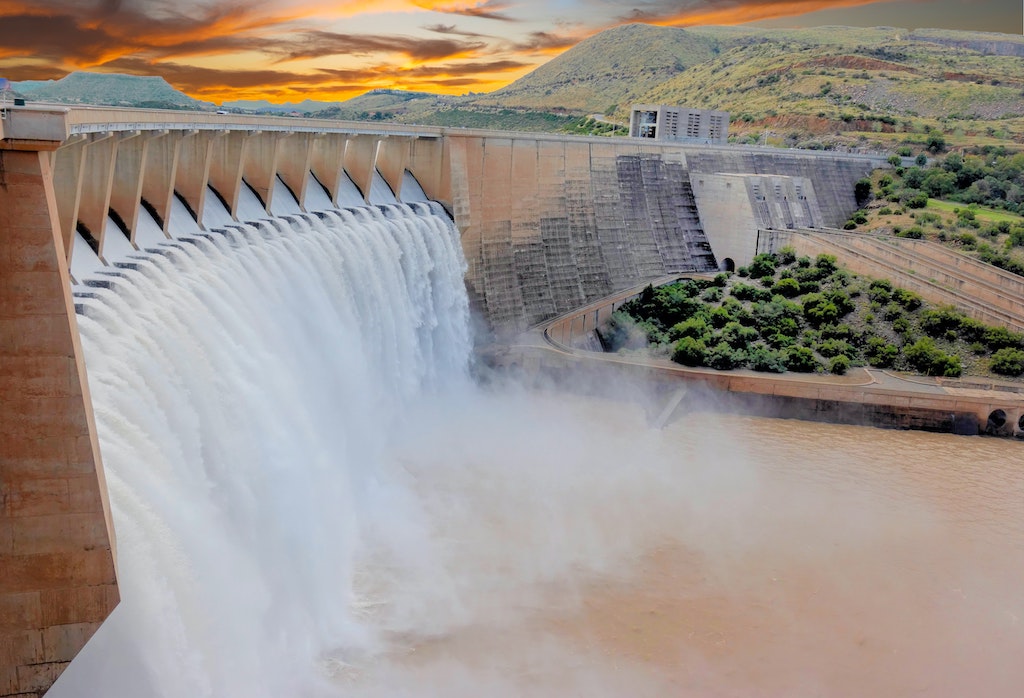
Experience That Shapes Tomorrow
ADB Water Productivity Assessment (2016‑17)
Across six Asian nations—India, Indonesia, Pakistan, Sri Lanka, Uzbekistan, and Vietnam—the Asian Development Bank commissioned a landmark study to quantify crop‑water productivity using remote sensing and advanced modelling.
AAS served as UNESCO‑IHE’s in‑country partner for Pakistan, leading all field operations in the Lower Bari Doab Canal command (Punjab). Our team:
- Collected and validated high‑resolution satellite and ground‑truth data for major crops.
- Applied crop‑growth and evapotranspiration models to benchmark “more crop per drop” performance.
- Delivered actionable insights that now inform national water‑productivity policy and on‑farm advisory tools.
- Developed step‑by‑step protocols and hands‑on training modules—now adopted across the region—for future assessments and capacity building.
The result: a practical decision‑support framework helping governments optimize water allocation, boost yields, and strengthen food security.
Islamic Development Bank Feasibility Study
Sustainable Development of Mini‑Dam Command Areas, Pothohar (Feb 2018 – Aug 2019)
Covering 1,341 mini‑dams and 26,500 ha across Jhelum, Chakwal, Rawalpindi, Attock and the Islamabad Capital Territory, this IsDB‑financed study set out a roadmap to modernise Pakistan’s largest hill‑torrent micro‑storage network.
AAS Contribution
| Focus | What We Delivered |
| Agro‑ecological analysis | • Benchmarked crop‑, livestock‑, and water‑productivity • Mapped biomass potential, grazing capacity, runoff and sediment loads |
| Dam performance & upgrade planning | • Assessed structural life and sediment threats • Issued design/retrofit guidelines and operating rules for safe flood passage, runoff storage and conjunctive use with rainfall |
| Sustainability package | • “Living with hillslope water” practices: rainwater harvesting, cost‑effective spillways, solar‑powered precision irrigation • Olive and grape orchards for unproductive slopes • Water‑saving technologies to raise productivity |
| Stakeholder engagement | • Strategy that unified 10+ public, private & NGO partners • Multi‑district consultations and capacity‑building workshops for farmers and line departments |
Outcome
A practical, climate‑smart blueprint that protects watersheds, extends dam life, and unlocks higher, more resilient incomes for smallholders across the Pothohar Plateau.
World Bank | Indus Basin Groundwater Analysis
June 2018 – July 2019
AAS’s experts, in an equal partnership with Ecoseal Australia, delivered the first basin‑wide appraisal of groundwater across Khyber Pakhtunkhwa, Punjab, and Sindh.
- Mapped the aquifers and their economic value—revealing where depletion threatens food and water security.
- Identified critical data and governance gaps that hinder sustainable management.
- Co‑crafted an investment and reform roadmap for federal and provincial agencies to stabilize and recharge the resource.
The findings—published by the World Bank as a flagship knowledge product—now shape Pakistan’s groundwater policy and investment agenda.
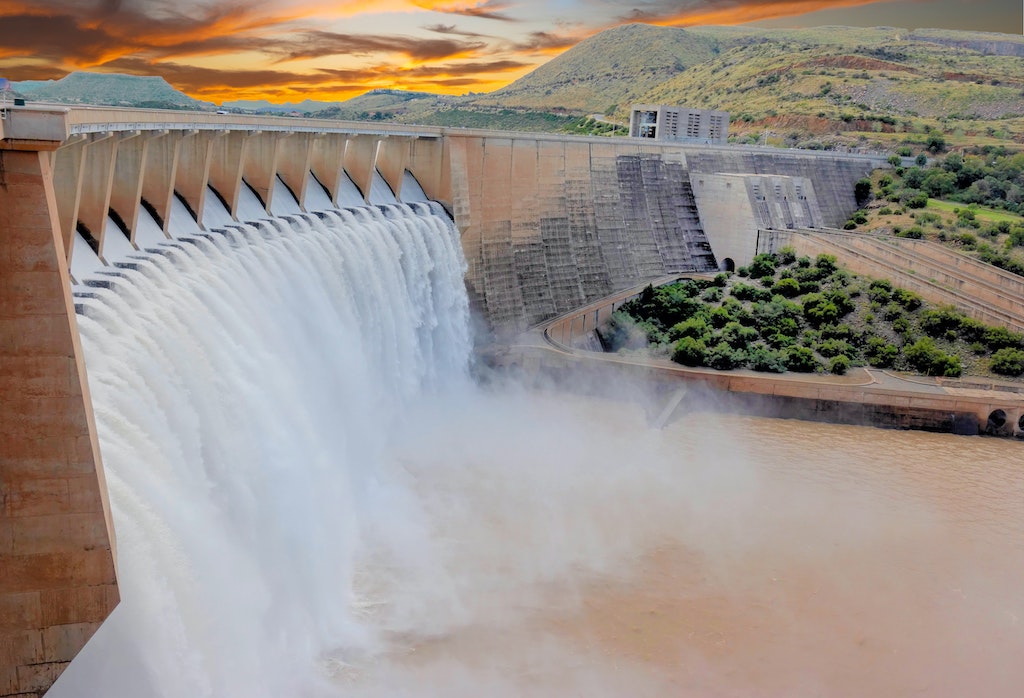
Asian Development Bank | Balochistan Water Resources Development Sector Project
July 2019 – July 2025
To translate Balochistan’s Integrated Water Resources Management Policy into action, the Irrigation Department—backed by the Asian Development Bank—is developing a portfolio of 11 dam‑and‑irrigation subprojects in the Zhob (north) and Mula (south) river basins.
AAS in the NESPAK‑led consortium
| Our Role | Key Contributions |
| Irrigation & Agriculture Lead | • Crop‑ and water‑demand modelling • Climate‑smart irrigation layouts and command‑area plans |
| Social & Livelihood Specialist | • Socio‑economic impact assessments • Stakeholder engagement and gender‑inclusive development strategies |
| Design & Quality Control | • Feasibility studies, detailed engineering, and tender docs for Sori Toi Dam • Procurement support and construction supervision |
Impact
The program will secure new climate‑resilient storage, expand irrigated acreage, and raise rural incomes in Pakistan’s most water‑stressed province—turning policy ambition into on‑the‑ground results.
Asian Development Bank | Transforming Punjab’s Water Governance
August 2020 – December 2021
To secure water, food, and environmental resilience, the Government of Punjab set out to merge five separate agencies into a single, future‑ready Water Resources Department. AAS—within an SMEC‑led international consortium—helped turn that vision into a workable blueprint.
| AAS Focus | Key Outputs |
| Legal & Institutional Reform | • Operational road‑map for the Punjab Water Policy (2018) and Water Act (2019) • Draft amendments, organizational structure, and change‑management plan |
| Integrated Water Resources Management | • River‑basin planning framework and groundwater‑governance toolkit • Flood‑risk and hill‑torrent management strategies |
| Water Supply, Drainage & Hill‑Torrent Lead | • Technical audits of existing systems • Upgrade concepts, investment priorities, and capacity‑building modules |
| Stakeholder Engagement | • Multi‑agency workshops uniting Irrigation, Agriculture, Environment, Public Health Engineering (inc. WASAs) and Local Government • Consensus‑building on policy, institutional, and technical options (TIPOI) |
Impact: A practical, consensus‑driven transformation plan that aligns provincial water institutions with modern IWRM principles—paving the way for smarter allocation, stronger flood resilience, and long‑term water and food security in Punjab.
Asian Development Bank | Khyber Pakhtunkhwa Intermediate Cities Improvement Project (KPICIP)
Total Financing: $500 Million
Cities Covered: Abbottabad, Kohat, Mardan, Mingora, and Peshawar
The KPICIP is a transformative initiative by the Government of Khyber Pakhtunkhwa, supported by ADB, to enhance the livability, infrastructure, and urban governance of five fast-growing intermediate cities. Targeting an estimated population increase from 3.5 million to 5.5 million, the project focuses on two pillars:
- Upgrading urban infrastructure and basic services
- Strengthening institutional capacity and service delivery mechanisms
AAS Involvement
AAS is part of the consulting consortium for Institutional Review and Capacity Building (IRCB) – KPICIP Package 2, contributing to:
- Institutional diagnostics and performance benchmarking of urban service providers
- Capacity needs assessments and tailored training programs
- Governance reforms and strategic planning support
- Stakeholder engagement, municipal coordination, and service delivery improvement frameworks
Impact:
The project is helping to build smarter, more resilient urban centers that offer better quality of life, efficient public services, and inclusive growth across KP’s urban landscape.
Asian Development Bank | Harnessing Hill Torrents, Dera Ghazi Khan & Rajanpur
Detailed Design Consultancy | Jan 2021 – Dec 2023
To convert destructive flash floods into productive water supplies, the Punjab Irrigation Department—backed by ADB—launched a programme to tame the province’s western hill torrents.
Project Mandate
- Screen & Rank 13 torrents, short‑listing 7–8 for full feasibility.
- Feasibility Studies for the short‑listed torrents, mapping water yields, command areas, and socio‑environmental impacts.
- Detailed Designs for 4–5 priority torrents, including dams, conveyance networks, and on‑farm layouts.
- Deliver tender drawings, cost estimates, PC‑I packages, safeguard documents, and bidding specs—ready for immediate financing and build‑out.
AAS in the NESPAK‑led Consortium
| Our Focus | Key Contributions |
| Irrigation & Command‑Area Planning | • Crop‑water demand modelling & optimized layouts |
| Groundwater & Hydrology | • Recharge potential studies and conjunctive‑use strategies |
| Agriculture & Livelihoods | • Cropping calendars, value‑chain options, and income forecasts |
| Social & Safeguards | • Resettlement, gender action, and stakeholder‑consultation plans |
| Quality Control | • Technical validation at feasibility, design, and procurement stages |
Outcome
A shovel‑ready investment blueprint that will capture hill‑torrent flows, expand irrigated acreage, lift farm incomes, and reduce flood damage for the people of D.G. Khan and Rajanpur.
Asian Development Bank | Kurram Tangi Integrated Water Resources Development
Technical Assistance | April 2021 – June 2024
A flagship upgrade to Pakistan’s north‑west water and energy infrastructure, the project modernises the 2004 feasibility to launch a multi‑purpose scheme that will:
- Store & Regulate Water – 98 m concrete‑faced rockfill dam on the Kurram River (North Waziristan, KP).
- Generate Clean Power – three hydro plants totalling 65 MW.
- Expand Irrigation – new Thal Canal plus the remodelled Civil/Kankot and Marwat (Right‑Bank) canals, bringing reliable water to 140,000 ha.
- Protect Communities – flood‑attenuation and climate‑resilience features for downstream districts.
AAS Role in the DOLSAR‑Led Consortium
| Focus Area | AAS Contribution |
| Mechanical Systems | Design review for dam outlets, turbines, and canal headworks. |
| Groundwater & Hydrology | Aquifer‐recharge analysis and conjunctive‑use strategies. |
| Climate‑Resilient Design | Stress‑testing storage, power, and conveyance under future climate scenarios. |
| Modern Irrigation Layouts | Digital canal alignment, flow‑control structures, and precision‑delivery concepts. |
| Agriculture & Command‑Area Development | Cropping patterns, water‑productivity packages, and farmer training plans. |
Result: A bankable, climate‑smart blueprint that couples secure water storage with renewable power and high‑value agriculture—setting a new benchmark for integrated basin development in Pakistan’s frontier region.
Asian Development Bank | Detailed Design for Priority Irrigation & Link Canals
Project Preparation Support for Irrigation Infrastructure Modernization
AAS, as part of a NESPAK-led consortium, is providing consulting services under the ADB-financed Detailed Design Project for Irrigation and Link Canals. The project aims to enhance project readiness and investment feasibility for four high-priority irrigation systems across Punjab, with a combined command area of over 2.15 million hectares and an estimated investment of $892 million.
Target Canal Systems:
- Upper Jhelum Canal System – Rehabilitation & Upgrading
- D.G. Khan Canal System – Remodeling & Upgrading
- Greater Thal Canal (Phase III) – Including Dhingana, Noorpur, and Mahmood sub-branches
- Rasul-Qadirabad, Qadirabad-Balloki, and Balloki-Sulemanki Link Canals – Remodeling
AAS Contributions:
- Feasibility Study Updates & Detailed Design for modernized canal infrastructure
- Irrigation Infrastructure Improvements to enhance delivery efficiency and water reliability
- Construction Drawings, Cost Estimates, and Tender Documentation
- Preparation of PC-I Packages and Bidding Documents
- Support on Social Safeguards and Environmental Compliance
Impact:
This assignment will improve irrigation reliability and water-use efficiency across millions of hectares—boosting agricultural productivity, climate resilience, and rural livelihoods in one of Pakistan’s most critical food-producing regions.
Asian Development Bank | Naulong Integrated Water Resources Development Project
Technical Assistance Support | July 2024 – October 2025
The Naulong Integrated Water Resources Development Project, led by WAPDA and supported by ADB, is a strategic initiative to advance sustainable water management, enhance agricultural productivity, and strengthen institutional systems in Balochistan. The project is currently in its preparatory phase under ADB’s Project Readiness Financing (PRF).
AAS is part of the Technical Assistance (TA) team, providing advisory support and oversight to PRF consultants, ensuring that the design of the ensuing investment project adheres to international best practices in integration, inclusivity, and sustainability.
AAS Core Responsibilities:
- Design Advisory: Ensure integrated water resources development approaches are embedded in project design, aligning with global best practices.
- Safeguards & Gender Due Diligence: Oversee environmental, social, and gender analyses to meet ADB and national compliance standards.
- Institutional Strengthening: Support capacity development of WAPDA, Balochistan Irrigation Department (BID), and Balochistan Area Development Corporation (BACD).
- Economic & Financial Due Diligence: Contribute to cost-benefit assessments, financial viability, and sustainability planning.
- Risk Assessment & Co-Financing Planning: Assist ADB in identifying and engaging co-financing partners, including development institutions and private sector entities.
Outcome:
The assignment ensures that the Naulong Dam Project is fully investment-ready—technically sound, environmentally compliant, socially inclusive, and institutionally supported—paving the way for impactful ADB financing and multi-stakeholder collaboration.Experience That Shapes Tomorrow
ADB Water Productivity Assessment (2016‑17)
Across six Asian nations—India, Indonesia, Pakistan, Sri Lanka, Uzbekistan, and Vietnam—the Asian Development Bank commissioned a landmark study to quantify crop‑water productivity using remote sensing and advanced modelling.
AAS served as UNESCO‑IHE’s in‑country partner for Pakistan, leading all field operations in the Lower Bari Doab Canal command (Punjab). Our team:
- Collected and validated high‑resolution satellite and ground‑truth data for major crops.
- Applied crop‑growth and evapotranspiration models to benchmark “more crop per drop” performance.
- Delivered actionable insights that now inform national water‑productivity policy and on‑farm advisory tools.
- Developed step‑by‑step protocols and hands‑on training modules—now adopted across the region—for future assessments and capacity building.
The result: a practical decision‑support framework helping governments optimize water allocation, boost yields, and strengthen food security.
Islamic Development Bank Feasibility Study
Sustainable Development of Mini‑Dam Command Areas, Pothohar (Feb 2018 – Aug 2019)
Covering 1,341 mini‑dams and 26,500 ha across Jhelum, Chakwal, Rawalpindi, Attock and the Islamabad Capital Territory, this IsDB‑financed study set out a roadmap to modernise Pakistan’s largest hill‑torrent micro‑storage network.
AAS Contribution
| Focus | What We Delivered |
| Agro‑ecological analysis | • Benchmarked crop‑, livestock‑, and water‑productivity • Mapped biomass potential, grazing capacity, runoff and sediment loads |
| Dam performance & upgrade planning | • Assessed structural life and sediment threats • Issued design/retrofit guidelines and operating rules for safe flood passage, runoff storage and conjunctive use with rainfall |
| Sustainability package | • “Living with hillslope water” practices: rainwater harvesting, cost‑effective spillways, solar‑powered precision irrigation • Olive and grape orchards for unproductive slopes • Water‑saving technologies to raise productivity |
| Stakeholder engagement | • Strategy that unified 10+ public, private & NGO partners • Multi‑district consultations and capacity‑building workshops for farmers and line departments |
Outcome
A practical, climate‑smart blueprint that protects watersheds, extends dam life, and unlocks higher, more resilient incomes for smallholders across the Pothohar Plateau.
World Bank | Indus Basin Groundwater Analysis
June 2018 – July 2019
AAS’s experts, in an equal partnership with Ecoseal Australia, delivered the first basin‑wide appraisal of groundwater across Khyber Pakhtunkhwa, Punjab, and Sindh.
- Mapped the aquifers and their economic value—revealing where depletion threatens food and water security.
- Identified critical data and governance gaps that hinder sustainable management.
- Co‑crafted an investment and reform roadmap for federal and provincial agencies to stabilize and recharge the resource.
The findings—published by the World Bank as a flagship knowledge product—now shape Pakistan’s groundwater policy and investment agenda.
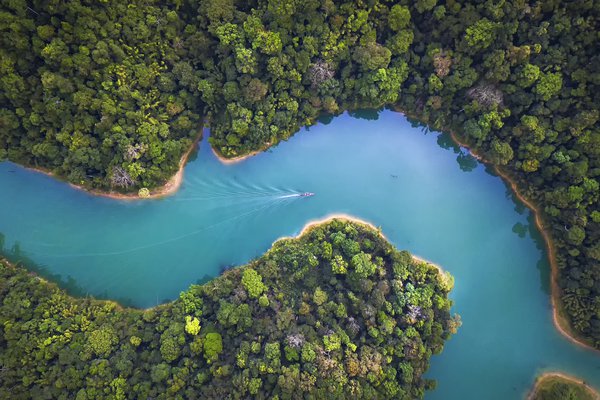
Asian Development Bank | Balochistan Water Resources Development Sector Project
July 2019 – July 2025
To translate Balochistan’s Integrated Water Resources Management Policy into action, the Irrigation Department—backed by the Asian Development Bank—is developing a portfolio of 11 dam‑and‑irrigation subprojects in the Zhob (north) and Mula (south) river basins.
AAS in the NESPAK‑led consortium
| Our Role | Key Contributions |
| Irrigation & Agriculture Lead | • Crop‑ and water‑demand modelling • Climate‑smart irrigation layouts and command‑area plans |
| Social & Livelihood Specialist | • Socio‑economic impact assessments • Stakeholder engagement and gender‑inclusive development strategies |
| Design & Quality Control | • Feasibility studies, detailed engineering, and tender docs for Sori Toi Dam • Procurement support and construction supervision |
Impact
The program will secure new climate‑resilient storage, expand irrigated acreage, and raise rural incomes in Pakistan’s most water‑stressed province—turning policy ambition into on‑the‑ground results.
Asian Development Bank | Transforming Punjab’s Water Governance
August 2020 – December 2021
To secure water, food, and environmental resilience, the Government of Punjab set out to merge five separate agencies into a single, future‑ready Water Resources Department. AAS—within an SMEC‑led international consortium—helped turn that vision into a workable blueprint.
| AAS Focus | Key Outputs |
| Legal & Institutional Reform | • Operational road‑map for the Punjab Water Policy (2018) and Water Act (2019) • Draft amendments, organizational structure, and change‑management plan |
| Integrated Water Resources Management | • River‑basin planning framework and groundwater‑governance toolkit • Flood‑risk and hill‑torrent management strategies |
| Water Supply, Drainage & Hill‑Torrent Lead | • Technical audits of existing systems • Upgrade concepts, investment priorities, and capacity‑building modules |
| Stakeholder Engagement | • Multi‑agency workshops uniting Irrigation, Agriculture, Environment, Public Health Engineering (inc. WASAs) and Local Government • Consensus‑building on policy, institutional, and technical options (TIPOI) |
Impact: A practical, consensus‑driven transformation plan that aligns provincial water institutions with modern IWRM principles—paving the way for smarter allocation, stronger flood resilience, and long‑term water and food security in Punjab.
Asian Development Bank | Khyber Pakhtunkhwa Intermediate Cities Improvement Project (KPICIP)
Total Financing: $500 Million
Cities Covered: Abbottabad, Kohat, Mardan, Mingora, and Peshawar
The KPICIP is a transformative initiative by the Government of Khyber Pakhtunkhwa, supported by ADB, to enhance the livability, infrastructure, and urban governance of five fast-growing intermediate cities. Targeting an estimated population increase from 3.5 million to 5.5 million, the project focuses on two pillars:
- Upgrading urban infrastructure and basic services
- Strengthening institutional capacity and service delivery mechanisms
AAS Involvement
AAS is part of the consulting consortium for Institutional Review and Capacity Building (IRCB) – KPICIP Package 2, contributing to:
- Institutional diagnostics and performance benchmarking of urban service providers
- Capacity needs assessments and tailored training programs
- Governance reforms and strategic planning support
- Stakeholder engagement, municipal coordination, and service delivery improvement frameworks
Impact:
The project is helping to build smarter, more resilient urban centers that offer better quality of life, efficient public services, and inclusive growth across KP’s urban landscape.
Asian Development Bank | Harnessing Hill Torrents, Dera Ghazi Khan & Rajanpur
Detailed Design Consultancy | Jan 2021 – Dec 2023
To convert destructive flash floods into productive water supplies, the Punjab Irrigation Department—backed by ADB—launched a programme to tame the province’s western hill torrents.
Project Mandate
- Screen & Rank 13 torrents, short‑listing 7–8 for full feasibility.
- Feasibility Studies for the short‑listed torrents, mapping water yields, command areas, and socio‑environmental impacts.
- Detailed Designs for 4–5 priority torrents, including dams, conveyance networks, and on‑farm layouts.
- Deliver tender drawings, cost estimates, PC‑I packages, safeguard documents, and bidding specs—ready for immediate financing and build‑out.
AAS in the NESPAK‑led Consortium
| Our Focus | Key Contributions |
| Irrigation & Command‑Area Planning | • Crop‑water demand modelling & optimized layouts |
| Groundwater & Hydrology | • Recharge potential studies and conjunctive‑use strategies |
| Agriculture & Livelihoods | • Cropping calendars, value‑chain options, and income forecasts |
| Social & Safeguards | • Resettlement, gender action, and stakeholder‑consultation plans |
| Quality Control | • Technical validation at feasibility, design, and procurement stages |
Outcome
A shovel‑ready investment blueprint that will capture hill‑torrent flows, expand irrigated acreage, lift farm incomes, and reduce flood damage for the people of D.G. Khan and Rajanpur.
Asian Development Bank | Kurram Tangi Integrated Water Resources Development
Technical Assistance | April 2021 – June 2024
A flagship upgrade to Pakistan’s north‑west water and energy infrastructure, the project modernises the 2004 feasibility to launch a multi‑purpose scheme that will:
- Store & Regulate Water – 98 m concrete‑faced rockfill dam on the Kurram River (North Waziristan, KP).
- Generate Clean Power – three hydro plants totalling 65 MW.
- Expand Irrigation – new Thal Canal plus the remodelled Civil/Kankot and Marwat (Right‑Bank) canals, bringing reliable water to 140,000 ha.
- Protect Communities – flood‑attenuation and climate‑resilience features for downstream districts.
AAS Role in the DOLSAR‑Led Consortium
| Focus Area | AAS Contribution |
| Mechanical Systems | Design review for dam outlets, turbines, and canal headworks. |
| Groundwater & Hydrology | Aquifer‐recharge analysis and conjunctive‑use strategies. |
| Climate‑Resilient Design | Stress‑testing storage, power, and conveyance under future climate scenarios. |
| Modern Irrigation Layouts | Digital canal alignment, flow‑control structures, and precision‑delivery concepts. |
| Agriculture & Command‑Area Development | Cropping patterns, water‑productivity packages, and farmer training plans. |
Result: A bankable, climate‑smart blueprint that couples secure water storage with renewable power and high‑value agriculture—setting a new benchmark for integrated basin development in Pakistan’s frontier region.
Asian Development Bank | Detailed Design for Priority Irrigation & Link Canals
Project Preparation Support for Irrigation Infrastructure Modernization
AAS, as part of a NESPAK-led consortium, is providing consulting services under the ADB-financed Detailed Design Project for Irrigation and Link Canals. The project aims to enhance project readiness and investment feasibility for four high-priority irrigation systems across Punjab, with a combined command area of over 2.15 million hectares and an estimated investment of $892 million.
Target Canal Systems:
- Upper Jhelum Canal System – Rehabilitation & Upgrading
- D.G. Khan Canal System – Remodeling & Upgrading
- Greater Thal Canal (Phase III) – Including Dhingana, Noorpur, and Mahmood sub-branches
- Rasul-Qadirabad, Qadirabad-Balloki, and Balloki-Sulemanki Link Canals – Remodeling
AAS Contributions:
- Feasibility Study Updates & Detailed Design for modernized canal infrastructure
- Irrigation Infrastructure Improvements to enhance delivery efficiency and water reliability
- Construction Drawings, Cost Estimates, and Tender Documentation
- Preparation of PC-I Packages and Bidding Documents
- Support on Social Safeguards and Environmental Compliance
Impact:
This assignment will improve irrigation reliability and water-use efficiency across millions of hectares—boosting agricultural productivity, climate resilience, and rural livelihoods in one of Pakistan’s most critical food-producing regions.
Asian Development Bank | Naulong Integrated Water Resources Development Project
Technical Assistance Support | July 2024 – October 2025
The Naulong Integrated Water Resources Development Project, led by WAPDA and supported by ADB, is a strategic initiative to advance sustainable water management, enhance agricultural productivity, and strengthen institutional systems in Balochistan. The project is currently in its preparatory phase under ADB’s Project Readiness Financing (PRF).
AAS is part of the Technical Assistance (TA) team, providing advisory support and oversight to PRF consultants, ensuring that the design of the ensuing investment project adheres to international best practices in integration, inclusivity, and sustainability.
AAS Core Responsibilities:
- Design Advisory: Ensure integrated water resources development approaches are embedded in project design, aligning with global best practices.
- Safeguards & Gender Due Diligence: Oversee environmental, social, and gender analyses to meet ADB and national compliance standards.
- Institutional Strengthening: Support capacity development of WAPDA, Balochistan Irrigation Department (BID), and Balochistan Area Development Corporation (BACD).
- Economic & Financial Due Diligence: Contribute to cost-benefit assessments, financial viability, and sustainability planning.
- Risk Assessment & Co-Financing Planning: Assist ADB in identifying and engaging co-financing partners, including development institutions and private sector entities.
Outcome:
The assignment ensures that the Naulong Dam Project is fully investment-ready—technically sound, environmentally compliant, socially inclusive, and institutionally supported—paving the way for impactful ADB financing and multi-stakeholder collaboration.
| 🌟 Focus Area | 🚀 Why It Stands Out | 🔧 Key Deliverables |
| Infrastructure Development | Landmark spaces that blend form, function, and future‑proof engineering. | • Concept‑to‑commissioning design & build • Hotels, hospitals, libraries, museums, galleries |
| Water, Energy, Food & Environmental Security | One‑stop solutions that keep taps running, lights on, plates full, and ecosystems thriving. | • Irrigation & drainage optimization • Hydropower & dam engineering • Climate‑smart agri‑food systems |
| Water Strategy & Management | Every drop accounted for—from source to service. | • Resource assessments & realtime metering • Multi‑sector allocation plans |
| Policy, Planning & Institutions | Governance blueprints that make water equity a reality. | • Demand forecasting & tariff models • Institutional reform road‑maps |
| Hydropower Development | Clean power, engineered for reliability and return. | • Site scouting & feasibility • Detailed design & grid integration |
| Land & Ecosystem Management | Turning degraded lands into productive, biodiverse assets. | • Agro‑ecological zoning • Desertification control & sustainable grazing plans |
| Disaster Risk Reduction | From prediction to protection—cutting losses before they happen. | • Flood & drought analytics • Water‑quality hazard mitigation |
| Urban & Rural Development | Safe water, sanitation, and livable spaces for all. | • Smart city water & storm‑water systems • Rural WASH, livelihood & health support |
| Transport Infrastructure | Building the arteries that drive economic growth. | • Bridges, highways, & cross‑drainage design • Construction supervision |
| Surveys & Valuation | Data you can bank on, insights you can build on. | • Topographic & geotechnical surveys • Asset valuation & due‑diligence reports |